Seeds, Shade And Other Perfect Gardening Ideas

In the world of healthy gardening, there are plenty of great resources available to both new and experienced healthy gardeners alike. There are many e-guides, books, videos, and other resources available. This set of perfect gardening ideas contain some of the best advice for helping a good healthy gardener become a great healthy gardener.

Don’t Let Pests Stall Your Garden
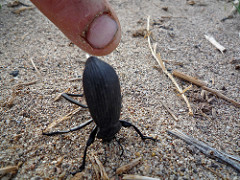
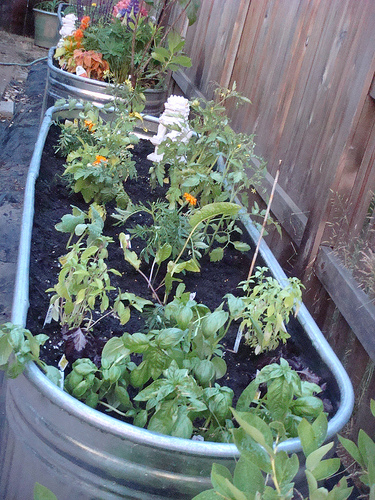
perfect gardening idea number one, don't let pests kill your garden
Photo by jhfearless

When gardening, be watchful of stink bugs, particularly in the fall. They enjoy tomatoes, peppers, beans, and many different varieties of fruits. If they are left in the garden, they can do great damage to your plants, so you should do whatever you can to eliminate them.

Both cat grass and wheat grass are good for giving your errant feline pause. Another option is to place something smelly, like citrus peels or mothballs, on the soil surrounding the plants that have previously been eaten.

An Ounce of Planning Saves a Pound of…

Before you start planting your garden, plan it! One of the easiest perfect gardening ideas that can save you a tremendous amount of effort is doing a little pre-planning. Doing this makes it easier to keep track of where you planted what when you first start to see sprouts. This is important, because different plants require different care.

Do you like mint, but not how they ruin your garden? Control their expansion by confining them to a large pot. Bury the container so that your plant does not stand out. The container will keep the roots from spreading too far.

Pest control can be very difficult when dealing with a vegetable garden. Do not spray harsh chemicals on the vegetables you are going to eat. Frequently check your garden for pests. In many cases, you can simply remove the pests from your plants by picking them off.

Did you remember to plan your soil? Make sure that your soil chemistry is correct for what you are growing. Use plant food and the right fertilizer, like Native Soil, to ensure that you’ve got the best soil you can have.

You can attract the insects you need by planting heather. Bees are drawn to heather, as heather is an early provider of spring nectar. Heather beds are also attractive to bugs such as spiders and ground beetles that will kill pests. Because of this, don’t forget to protect your hands when pruning heather beds.

Work with Nature, Not Against it

If you’re working to build a sustainable healthy garden, try leaving a portion of your garden untouched so that the wildlife will be able to thrive. This is a great natural way to allow the insects and animals found in nature to assist with the growth of your garden.

Before planting your favorite perennials, you must first prepare the ground. Use a spade to dig into the turf, turn the turf over, then spread the area with approximately three inches of wood chips. Allow for at least 10 days to pass, then plant the perennials that you just purchased.Perfect gardening idea number three, use wood chips to add ground cover

Take your seedlings and saplings to a cooler spot once they are established. As they begin growing you can move them farther away from heat sources. If you have plastic films on your containers, remove them. Keep a close watch on your seeds to know when to do this.

With the above information in hand, you now know a little bit about what is needed to succeed as an healthy gardener. There is much information on the subject; you only need to know what to do with it. When you keep this in mind, you can go about planting and growing a garden in your own way.

Photo by kckellner
Four Tips for Preparing your Garden for Winter

Do you feel that chill in the air? Finally? When you analyze all of the individual components of gardening, it can be somewhat complex. If you want to try your hand at backyard gardening, then be prepared to learn about concepts like pH balance. However, growing healthful food can be difficult for those who have not done it before. Use the tips below to grow like a pro and make sure you’re preparing your garden for winter the easy way.

Keep an Eye on Your Soil Chemistry

winter garden photoSometimes the soil you want to use for your garden has a high alkaline or salt content. Outside of using Native Soil, combine coffee grounds with the soil to reduce this. Basically, the grounds resupply the soil with acid. This is one of the most inexpensive ways to achieve this result. When you can eliminate excess alkaline from the soil, it makes what you are growing much healthier. This means your veggies will taste better, and your flowers will be more vibrant than ever.

If you would love to have access to fresh and healthy mint leaves from your own back yard, but dread the way the plant spreads so quickly, worry not. Try to keep your mint in a container in your garden to stop their rampage. You can plant the container into the soil if you want to, but the container will restrict the roots, and make sure that the plant doesn’t run rampant in your garden.

New Pests, No Problems

Natural materials or some other plants can be used in your garden for keeping away pests. A border of onions or marigolds around a vegetable garden can repel slug. You can also mulch around trees and shrubs with wood ash, which drives away insects. These methods prevent use of harsh chemicals.

Read instructions on new gardening chemicals and tools before you use them. Some of the chemicals in these products can cause skin irritation, or worse, if you fail to take this simple precaution. Protect your plants and yourself by knowing how to correctly use all of your gardening implements.

Be Sure to Watch Your Health

Put money into a quality wheelbarrow and kneeling stool if you plan to do garden work often. Using a large portion of your time near or on the ground working on your garden puts a huge strain on your knees; therefore, having a portable, lightweight garden stool will greatly assist you in making gardening easier on them. It is also normal to move heavy objects and dirt around the garden, so a wheelbarrow is something you should have. Especially when the soil is getting harder and the air colder, it is important to make sure you ready yourself and your garden for winter.

Get Creative in the Kitchen

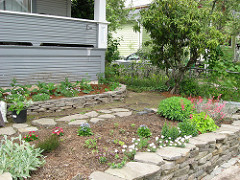
Keep your garden for winter ready
Photo by libraryrachel

An easy, inexpensive way to give them nutrients is to pour the leftover water from your steamed vegetables into the soil. Some plants, such as gardenias, azaleas and rhododendrons need acidic soil for proper growth. Increase the acidity of your soil by adding coffee grounds and unused tea bags. Chamomile tea is a good remedy against fungus.

Now, you shouldn’t get your hopes up and believe that a few tips are going to turn you into an instant professional gardener. However, these tips are a great starting point if you do plan to grow organically. As you implement these tips and hone your skills, you’ll be a professional green-thumb-holder in no time.

Basic Steps For Growing Your Home Garden

Many people think gardening is hard to accomplish, but that is not true if you know what you are doing. Using some basic advice, most people can be great gardeners. When you have completed this article, you will have learned everything you need to know to show off your green thumb.

Choosing Your Home Garden Plants

Cover fences and walls with climbing plants. Known commonly as climbers, these plants are very versatile, easy to grow, and they will quickly spread out to cover up walls and fences within a single season. You may also be interested in training them over an arbor or trellis. You can also grow them among existing landscape trees and plants. Some climbers will attach themselves to a support using twining stems or tendrils, while other varieties need to be held up by tying them in place. Some climbers that have proven to be reliable are honeysuckle, jasmine, wisteria, clematis, and climbing roses.

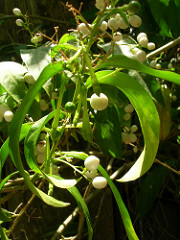
Night Blooming Jasmine adds a great aroma to your basic home garden
Photo by Starr Environmental

Plants need ample amounts of CO2 to reach their maximum growth. The majority of plants grow much better when CO2 levels are at their highest. A greenhouse has the best levels available. CO2 levels are best kept high, in order to provide optimal growing conditions for your plants. Additional soil chemistry is needed to balance out and provide the plants optimal paths for nutrient absorption. Not all basic home garden soil is created equally. San Diego is full of decomposed granite on the mesas which isn’t very nutrient dense. Native Soil is an ideal solution for normalizing poor soil chemistry.

Watch Out for Pests of all Kinds

When gardening, be watchful of stink bugs, particularly in the fall. Stink bugs enjoy gardens, and are especially fond of fruit, tomatoes, beans and peppers. If left unattended, your garden could be ravaged by these bugs, so you need to proactively keep their population under control.

There are several all-natural ways to keep pests out of your garden, including certain plants. Plant marigolds or onions around other vegetables to keep slugs away from them. Wood ash also makes a great insect deterrent; simply use it as mulch around your shrub and tree seedlings. By utilizing these methods, you will not have to apply chemical pesticides on your vegetation.

Be Aware of the Basic Home Garden Calendar

Plant some bulbs in your garden to have flowers and plants that bloom all year round. Bulbs are hearty and will continue to grow every year. Remember that different bulbs will bloom at all different times of the year, so if you are careful to choose the right bulbs, you will see blooms in the early spring, and have flowers all the way to late summer.

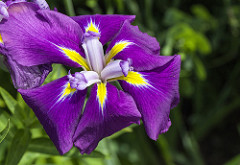
Irises are a great addition to any basic home garden
Photo by tr.robinson

Separate irises for the best result. If you divide the overgrown clumps of flowers, you’ll find that your stock grows proportionally. Once the foliage has died off, lift out your bulbous irises. They will literally split in your hand, flowering the next year after replanting. Utilize a knife if you are trying to divide rhizomes. Cut the new pieces from its outside and dispose of the older center. Each piece you decide to plant needs a strong offshoot. The quicker you can replant your cuttings, the better chances they will reappear next season.

As mentioned earlier, it is not difficult to become an expert gardener if you educate yourself. If you apply the tips from this article you’ll be able to be confident in knowing that you’ve got all the information you need to guarantee your garden will grow!

What are you going to put in your garden? Let us know in the comments or our Facebook Page!